 Charlie
Let's start with this question. Why did Netflix bet big on stand-up comedies?
- Between 2013 and 2015 → fewer than 20 Netflix stand-up specials.
- Between 2016 and 2018 → over 100 new stand-up specials.
- And by 2020 → more than 350 cumulative specials.
Netflix went big-time on stand-up comedy starting in 2016–2017, when they signed massive deals (Chris Rock, Dave Chappelle), expanded globally, and began releasing weekly comedy specials. Before that, it was only experimental.
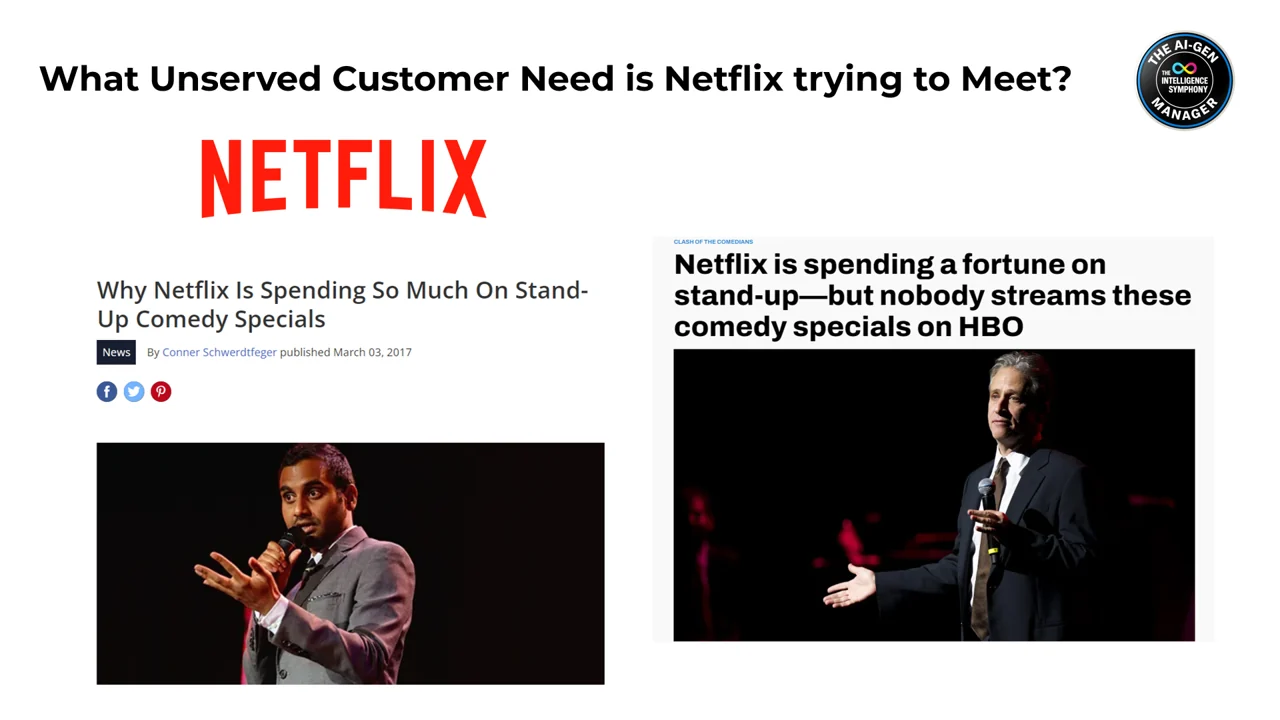
What did Netflix see that other streaming services did not? In other words, what unmet needs did they discover when others did not?
Every time I run this quiz in my classes, my students find it difficult to answer. Only after multiple tries did they get the right answer.
Why? Because most people lack the scientific language and doctrine of Customer Needs.
The biggest gap in business education
Serving customer needs is the only reason for the existence of any company and any job.
Thus, understanding the customer need and innovating for it must be the most important function of any business. Every employee is hired for a job to serve customer needs, be it internal or external customers.
Yet, we have been so flippant about the study and analysis of customer needs. From my personal estimate, 99% of executives and entrepreneurs lack fluency in discovering, defining and innovating for Customer Needs.
The equation simply doesn't square: "#1 factor in business = 99% lack fluency".
This must be the biggest gap in business education ever!
Everything starts with the customer and everything that follows downstream will be right or wrong, depending on how much you understand your customer's needs. That is why this is the first of eight superskills of the AI era I teach.
Jobs-to-be-Done
Jobs-to-be-Done (JTBD) is the most scientific method in the study of customer needs, bar none. It is the biggest breakthrough in business and innovation theory of the past two decades.
Yet, most people are not familiar with it. When I first came across JTBD twelve years ago, it totally transformed the way I think about business ("I have been enlightened"!).
The concept was formally introduced by the late Harvard Professor Clayton Christensen (of the Disruptive Innovation fame) in 2003.
Anthony Ulwick translated it from theory to practice through Outcome Driven Innovation (ODI), which has an 87% success rate, 5x more successful than product innovation projects without the method.
Many best-in-class companies, such as Amazon, Tesla, Spotify, Nike, and New York Times, embraced JTBD as the core principle of their organization.
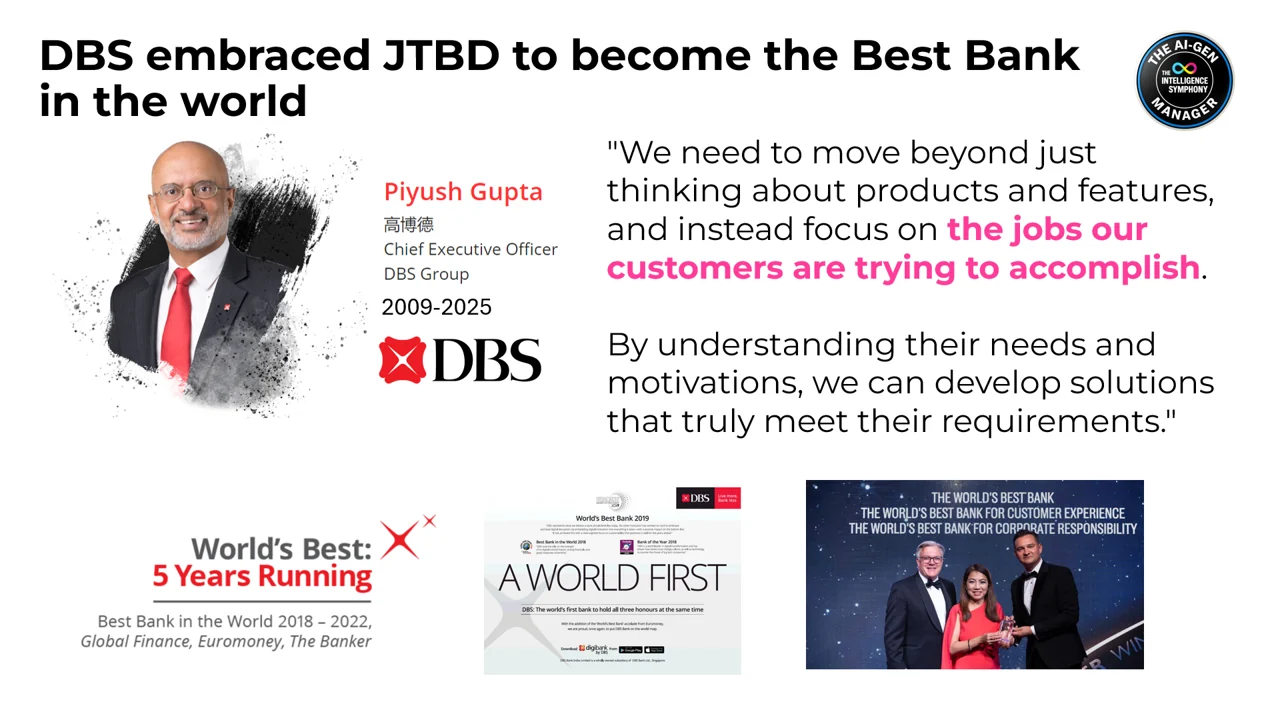
DBS Bank became the World's Best Bank (consistently rated and awarded) by innovating with JTBD to achieve outstanding customer centricity and experience.
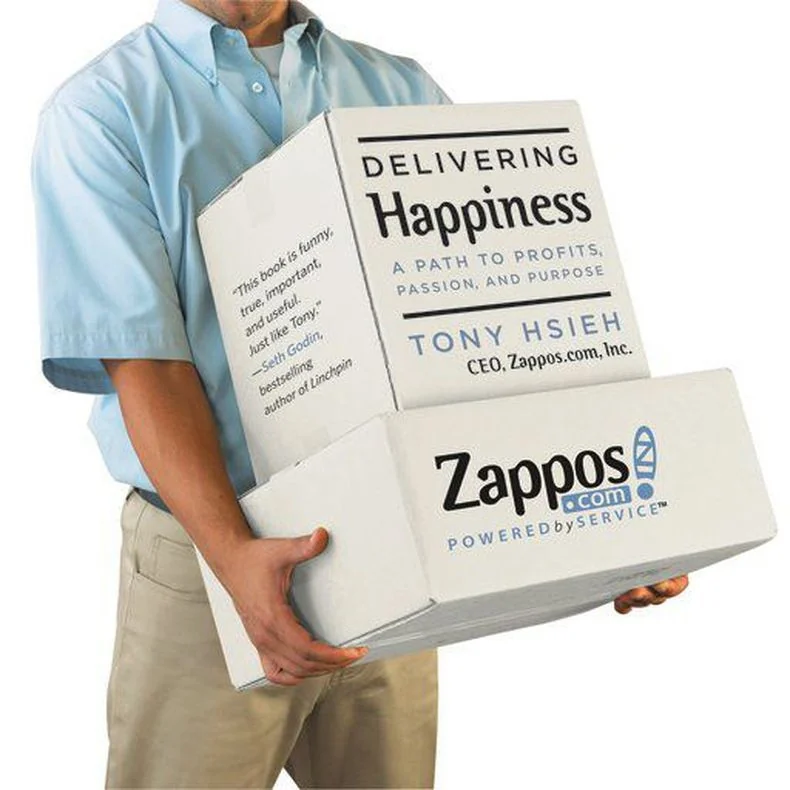
The online shoe retailer Zappos (acquired by Amazon in 2009) used it to develop their legendary "Delivering Happiness" customer service.
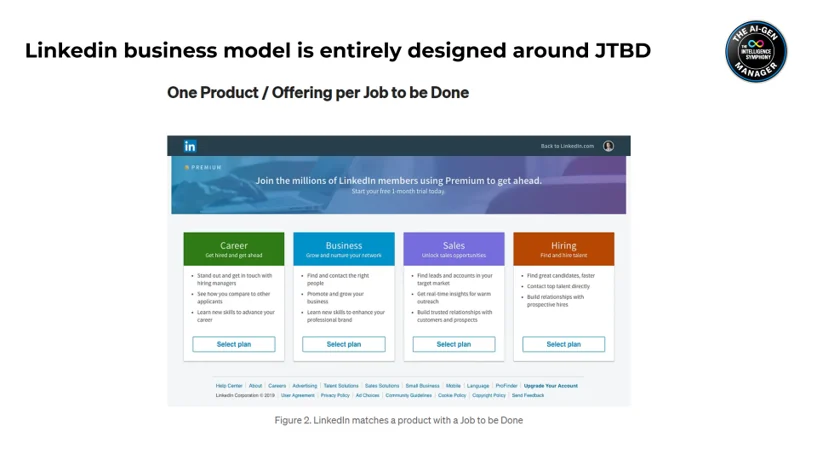
The business model of this exact platform we are (and cannot stop) using is built around the JTBD framework. They serve four different segments, each with their specific customer jobs.
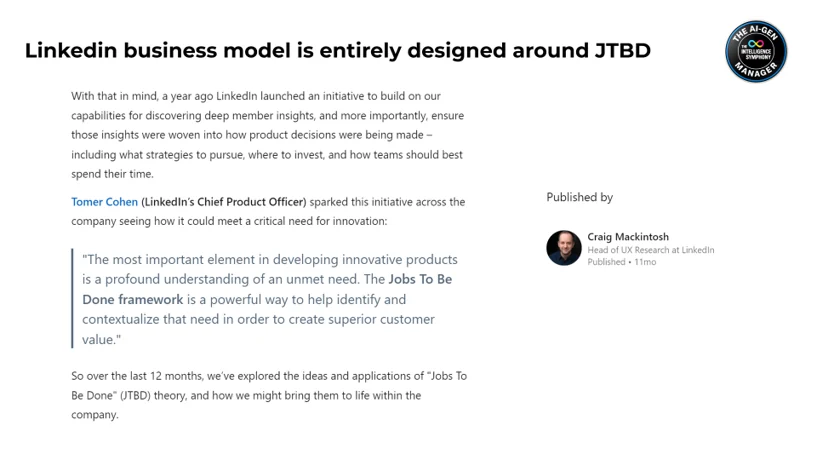
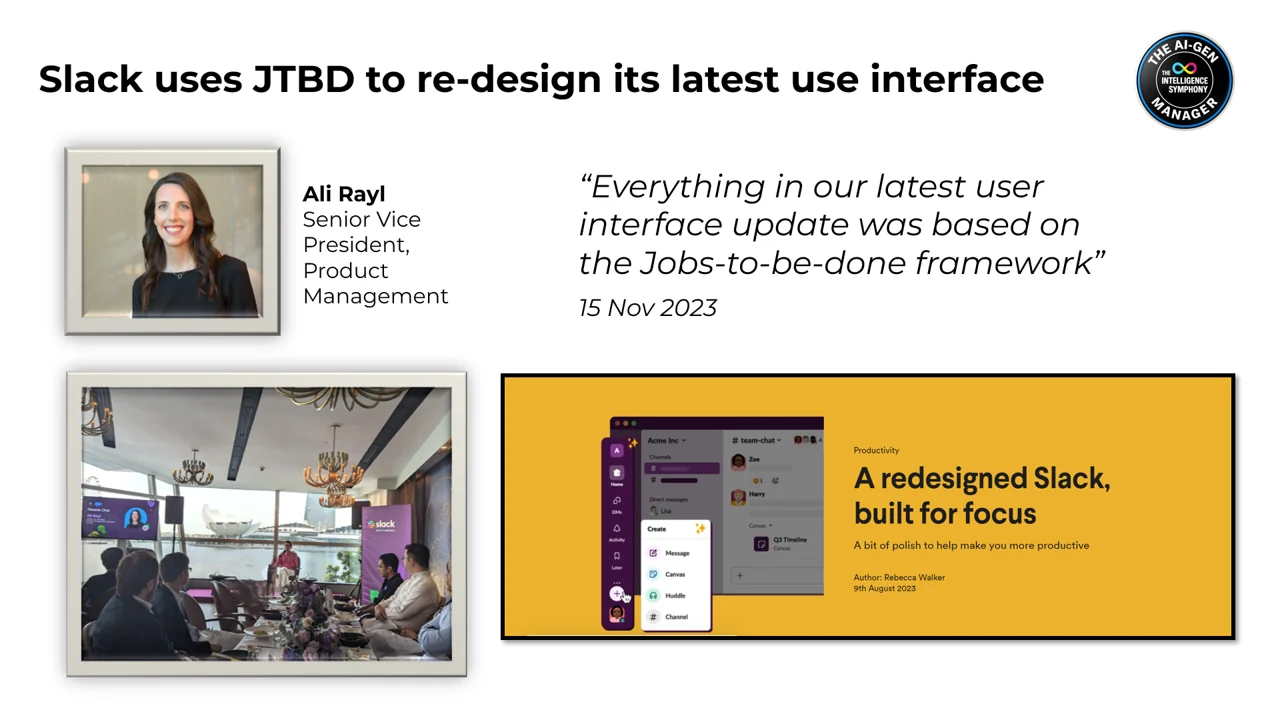
Two years ago, I asked Slack's Product Head whether they used JTBD as their product philosophy and she answered:
Back to Netflix
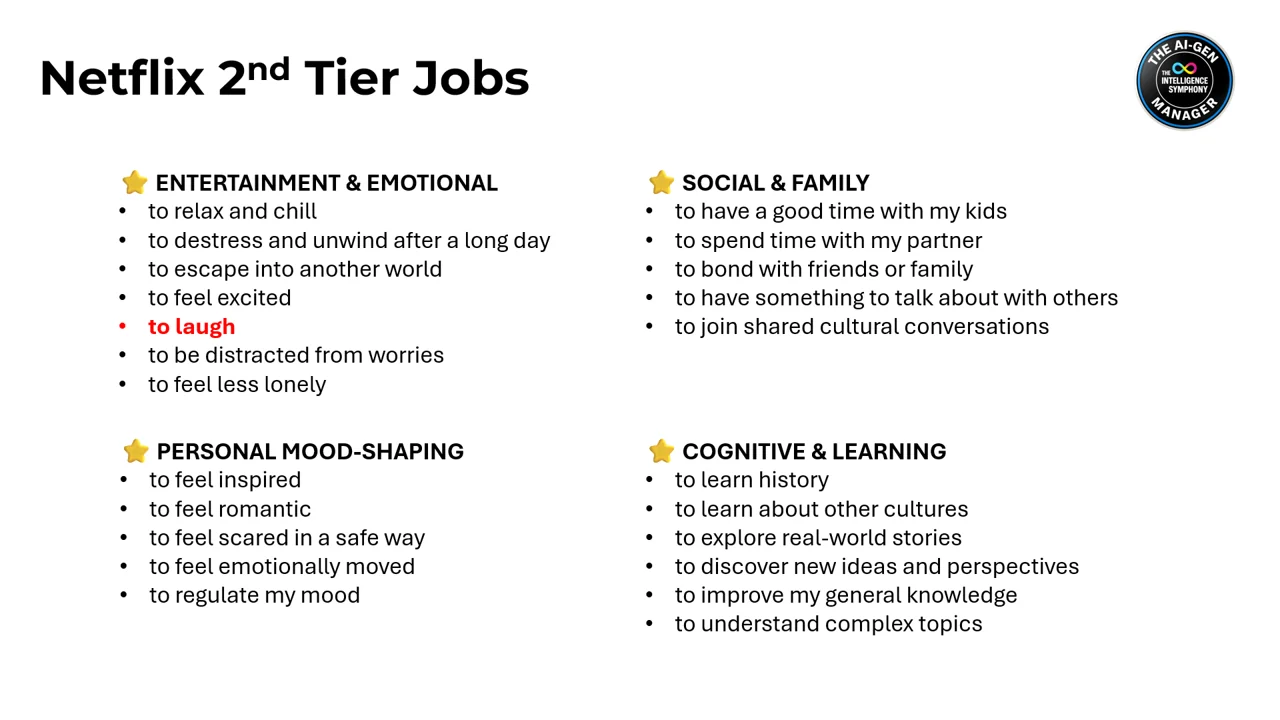
After this detour, let's return to the opening question. The reason why Netflix went big into stand-up comedies is because the customer job "to laugh" is an under-served need. After a stressful, hectic or boring day, laughing is one of the best ways to destress, relax, improve our moods and bond with our loved ones.
Previously, Netflix lacked good shows to serve this need. That's also why they reportedly paid US$100 mil for the final year extension for the Friends TV series. The show is estimated to earn $1 billion annually for its owner, Warner Bros, from syndication, streaming and licensing deals. Mind you, Friends' farewell, finale season was in 2004!
At the surface, we hired Netflix to entertain us. But at a deeper level, we use Netflix to satisfy several needs from a long possible list. That is why we choose to watch what we watch in a particular circumstance at a particular moment in time, because our needs change as the context changes.
The good news is that if you acquire the JTBD mindset as your superskill in the AI era, you have a clear and definite advantage over the 99% who haven't.
Originally published in Charlie Ang's Intelligent Reinvention Memo newsletter on LinkedIn (Issue 36).

Charlie Ang is an Intelligent Reinvention Strategist, corporate futurist and AI keynote speaker based in Singapore and speaking worldwide. He helps organisations and leaders reinvent, rewire and retool for the Age of Intelligence, and has been featured by the BBC, Financial Times, National Geographic and CNA.