 Charlie
In Part 1, I called out the Four Horsemen of Disruption, which are omnipresent in most companies and are leading predictors of disruption when the AI tsunami is in full force. They are the shackles that hold back the body, even when the mind is willing.
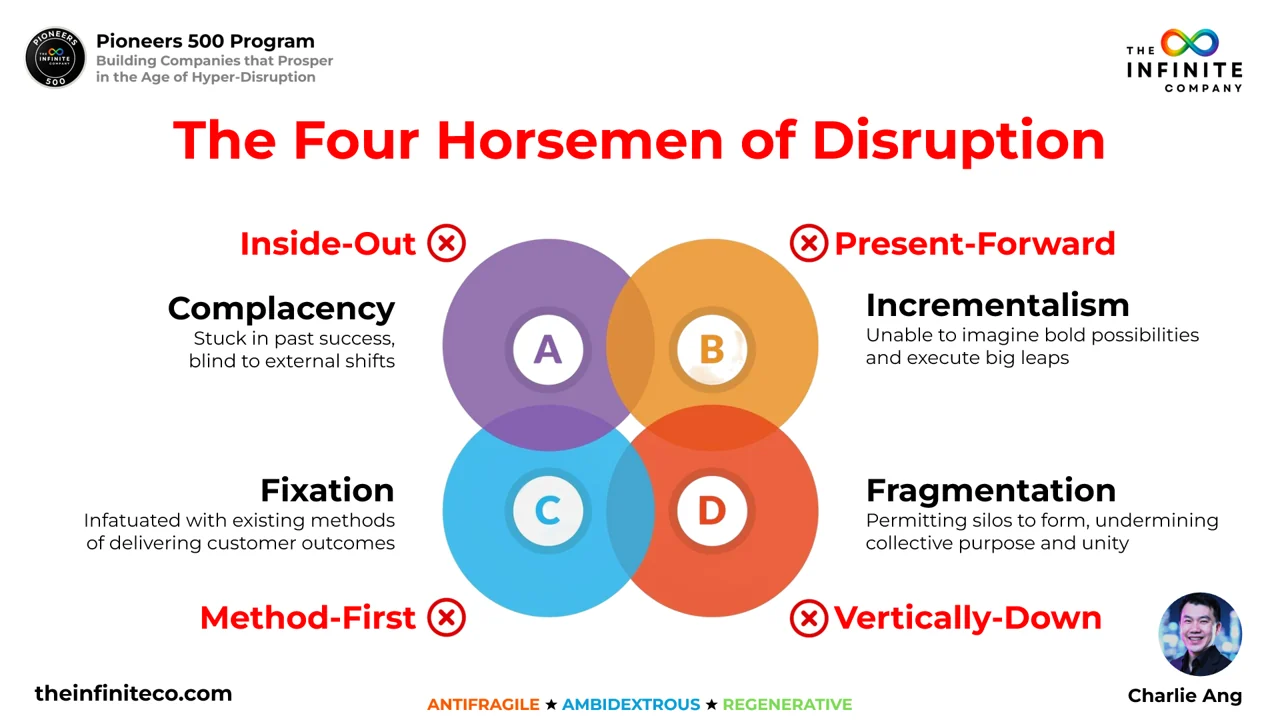
This is Part 2, the solution piece. Here, I describe the Four Guardians of Infinity as the antidotes to overwhelm the Four Horsemen.
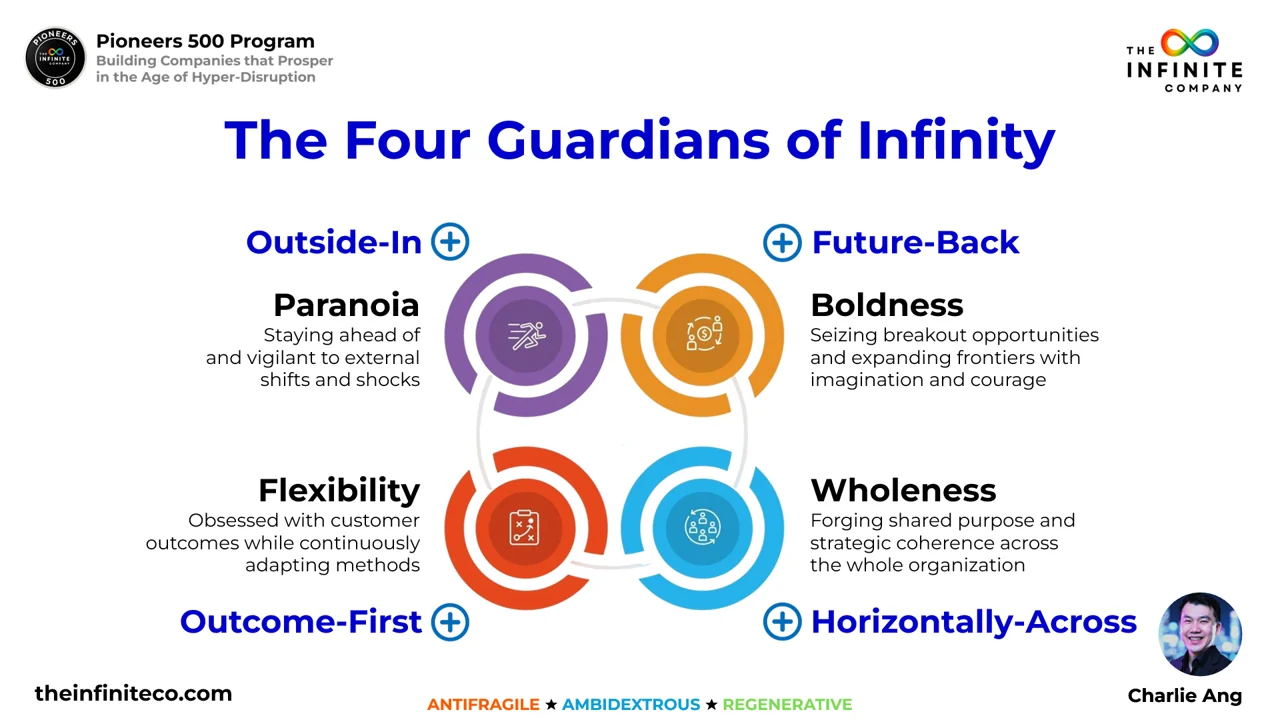
Guardian 1: Paranoia (vs Complacency Horseman)
I am worried for any senior leader who is not losing sleep over the impact of AI on their business. It is likely due to lack of awareness of the potential of AI or lack of imagination of the possibilities it enables; or probably both.
Many people suffer from what I call the Imagination Deficit. They mistake their limited imagination for the boundless imagination of the collective people of the world.
Winding back the clock, executives at Blockbuster wouldn't have imagined that mail order DVDs would put them out of business. Owners of taxi companies couldn't fathom that the mobile ride-hailing apps of Uber & Co would suck the profits out of the industry. Starbucks couldn't preempt losing in the China market to Luckin's mobile ordering cum takeout model. The traditional big autos didn't believe that upstarts like Tesla and BYD would be eating their lunch. Older social media platforms thought the strength of their network effects would block the emergence of another big player, until TikTok came along.
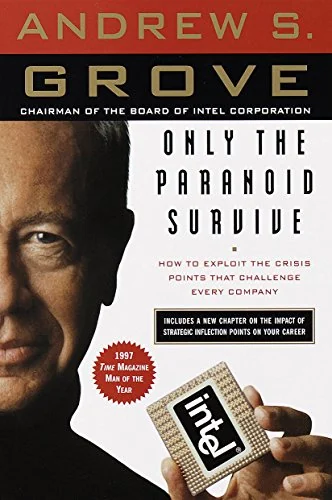
If they did, they would have done it themselves. Even Intel lost the deep sense of paranoia of its pioneers and missed the mobile, telecom, crypto, immersive worlds and now AI compute markets.
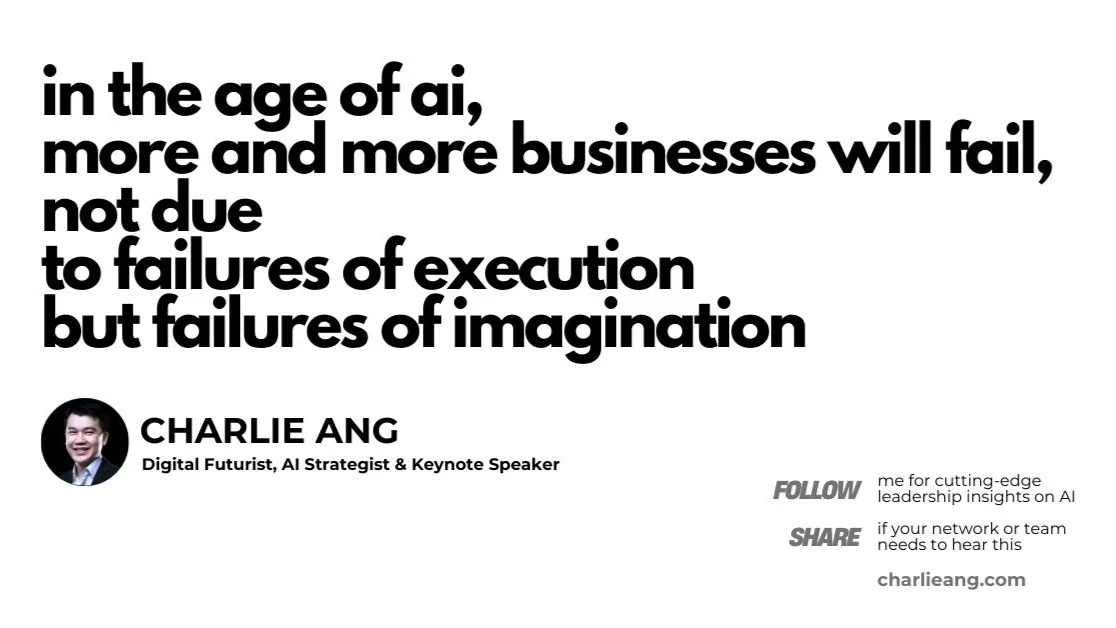
“Do not mistake the limits of your imagination for the possibilities of the future.”
Charlie AngDisruption-ready leaders spend little time navel-gazing. They adopt an outside-in view of their business, keep a watchful eye on weak signals, imagine possibilities of what might be and translate them into thoughtful strategy and execution.
Most importantly, they internalize a healthy dose of paranoia.
Guardian 2: Boldness (vs Incrementalism Horseman)
Industrialization truly took off when electricity went mainstream over a century ago. What used to be “industry” then became artisan, marginal and sidelined. Next came new industries such as power utilities, oil & gas, industrial equipment, chemicals, skyscraper construction, modern housing, elevators, HVAC (heating, ventilation, air conditioning), consumer electronics, and so on. Each one is 100x or more of the cottage industries that were displaced.
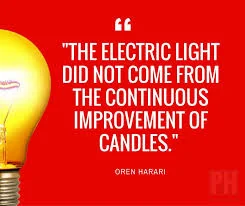
Now, we are at it again, with AI, or “cognitive electricity”. Are you still merely improving your candle business and inventing the electric light version of your business?
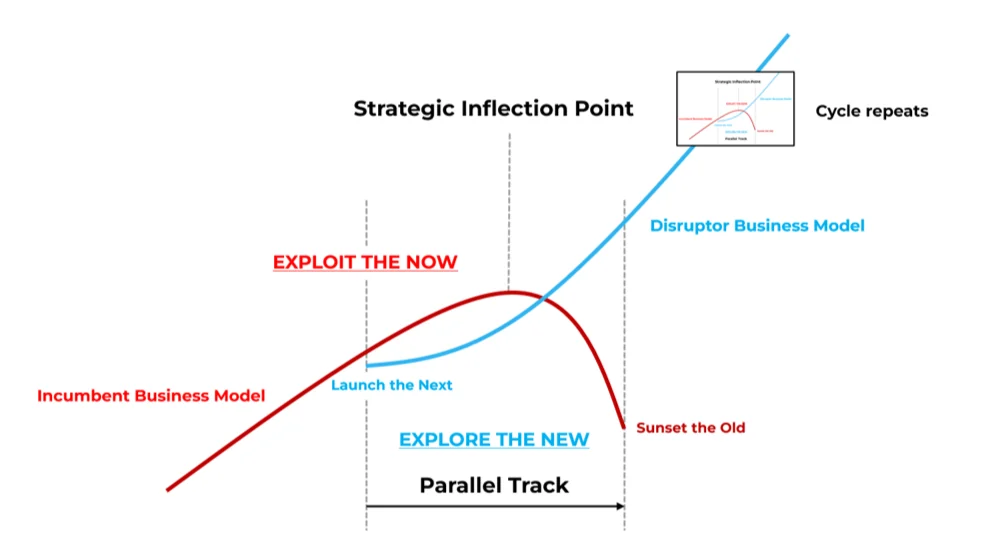
Can your senior leaders think boldly, reinvent your business based on the new dominant model and pivot to new 100x industries at the cusp of emergence?
With the benefit of hindsight, what would you have done if you were there a century ago at the transition from mechanical to electric age? Now do the same for the jump from information to intelligence era.
Incrementalism is a silent business killer, whenever there is a step change. When the tipping point of the new industry model is reached, the old model collapses quickly in a bang.
Disruption is not destiny; incrementalism is.
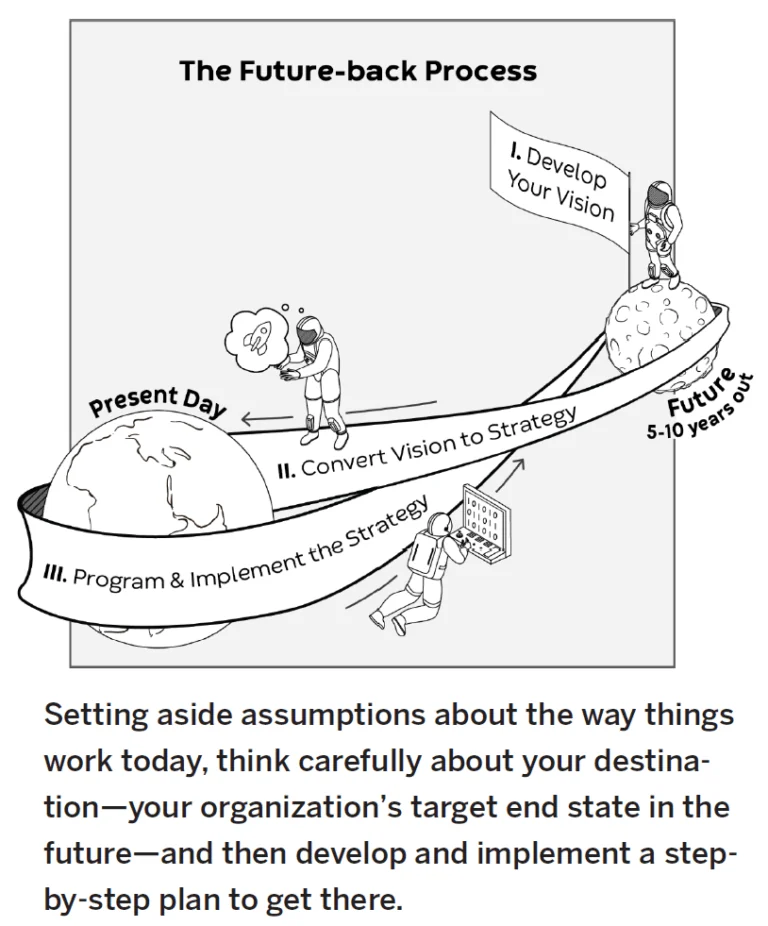
The main method I have been advocating for many years is the Future-Back approach, popularized by the innovation firm, Innosight. In this approach, we imagine the future environment, develop our vision, translate it into strategy and execute transformation from present day. The analogy is we anticipate where the “moving goalpost” will be and shoot towards it. Else, we will miss every shot we take.
Future-Back thinking was optional in the past when change was linear, but is existential today when change is discontinuous.
Guardian 3: Flexibility (vs Fixation Horseman)
Executives who are infatuated with their existing products, solutions and methods will live and die by them.
Their eyes are on the wrong ball. They should be on Outcomes and not Methods. They should be customer-obsessed, not product-focused.
The methods will always change with new technologies but the outcomes are generally stable over long periods of time.
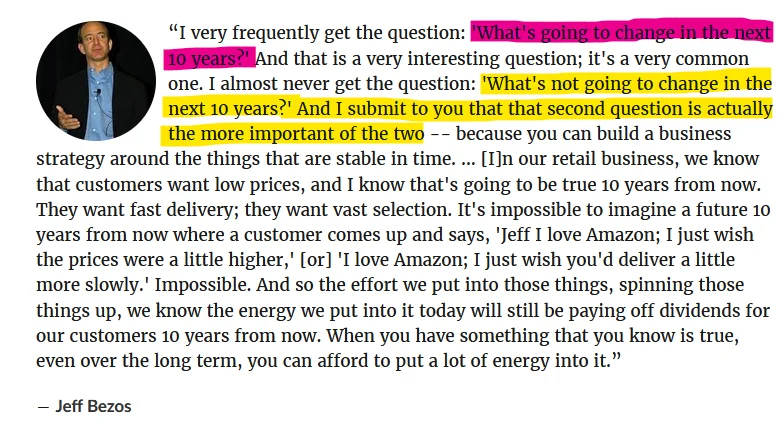
In the past, communication was by hand signs, then verbal language and written word; relayed on foot, then by horses, telegrams, facsimile and emails till instant messaging; broadcast via analogue speech, then newspapers, radio, TV and now the Internet. The next leap is likely between intelligent assistants as our intermediaries. The need to communicate persists but the methods changed.
Instead of merely improving your products, always be asking “how do we deliver better customer outcomes?” The answer may NOT be your existing products or your processes to deliver them.
The classic case is Kodak, who was the original disruptor democratizing portable photography since they introduced the Kodak Camera in 1888.
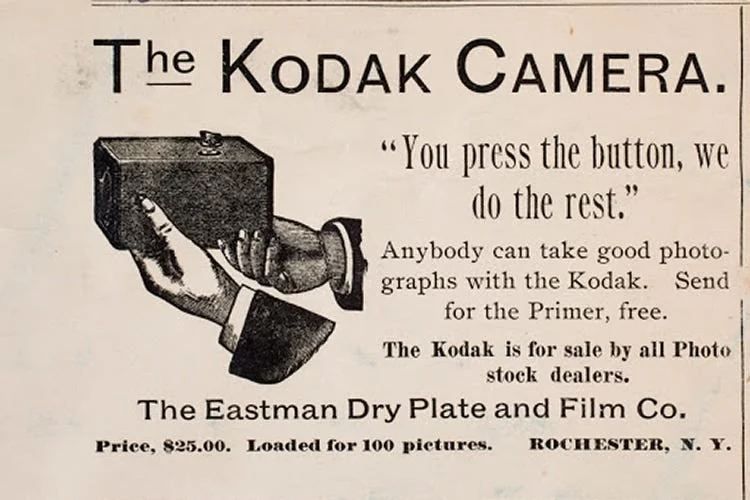
Unfortunately, over a century later, they were chronically afflicted by all Four Horsemen. Tragically, they were in love with their products.
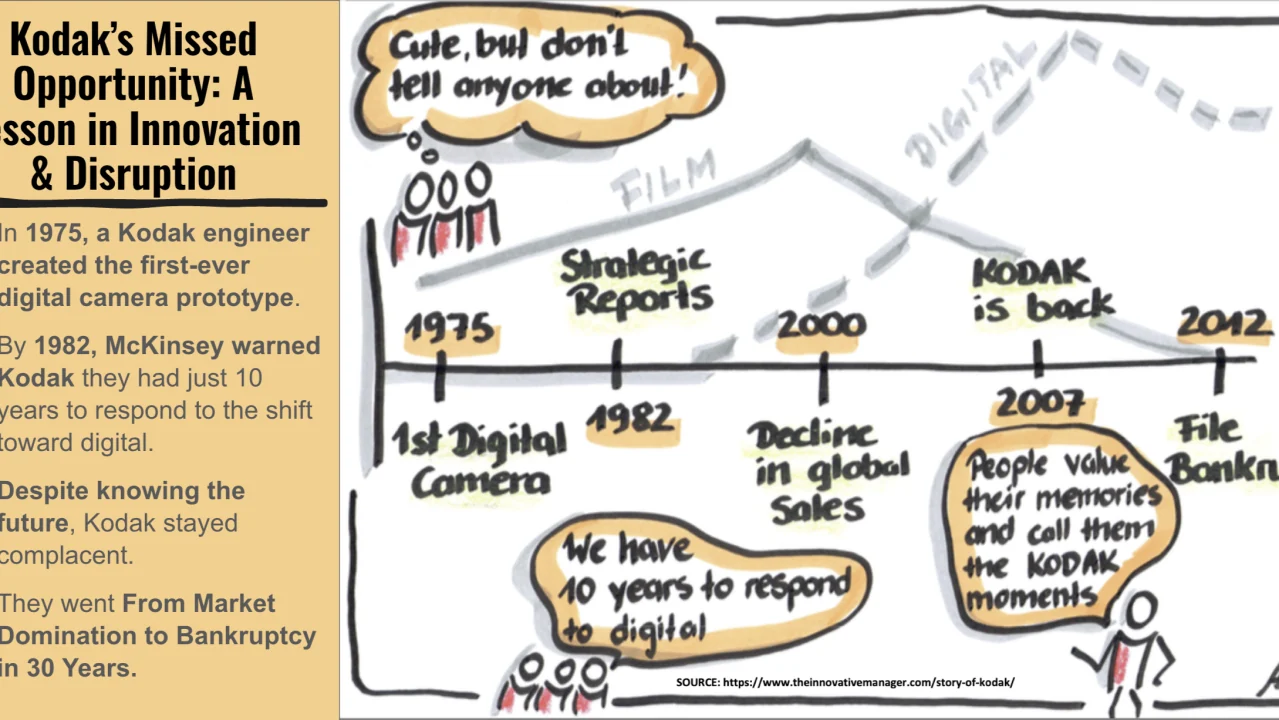
Had they been obsessed with customer outcomes of “capturing, storing and sharing memories”, they might have evolved to be the Facebook of social media platforms or creator of iPhones; both products extend human experiences and memories.
The Big Three consulting firms are revamping their century-old business models and rethinking their value proposition, while staying true to customer outcomes, in the AI age. Are you?
Jobs-to-be-done thinking is best in helping you focus on what truly matters.
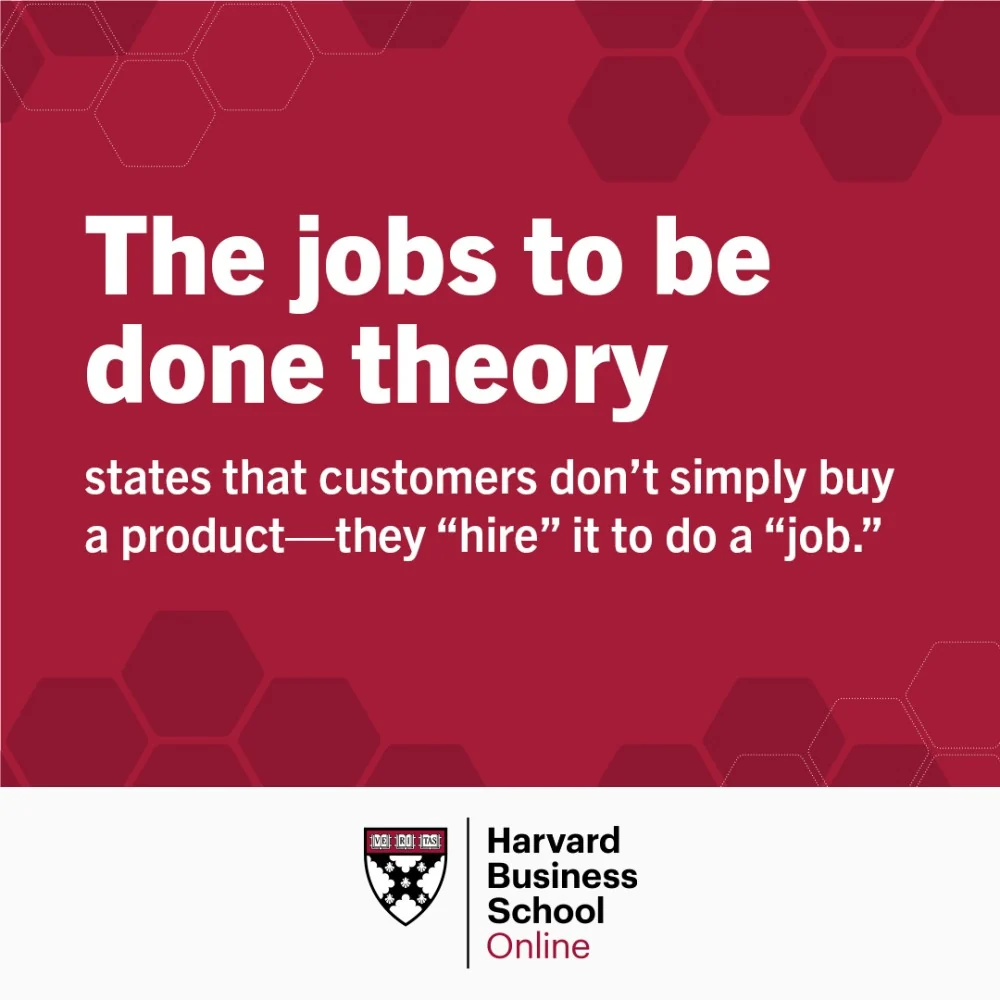
Be religiously obsessed with customer outcomes but be flexible with the methods to achieve them.
Guardian 4: Wholeness (vs Fragmentation Horseman)
Leaders face the perennial dilemma. How do you decentralize decision-making to increase dynamism without losing organizational coherence?
This has bugged leaders for millennia; from ancient rulers to modern CEOs. The Zhou dynasty empire (1046–771 BCE) in China got too big, so its command structure was decentralized, eventually breaking up into warring states. Emperor Diocletian split the Roman empire into four for the same reason, culminating in a fierce civil war and re-unification by Constantine.
Decentralization injects velocity while centralization confers strength. Both are enablers of innovation at speed and scale.
But, under-centralization leads to fragmentation and fiefdoms. Over-centralization results in rigidity and stagnation. Both are killers of innovation.
How do you square this circle? How can we have both speed and strength at their maximum?
There is no need to fear a small chap who is fast or a giant who is slow. But the fast rugby player is fearsome (Speed + Strength).

No, it is not to find the right balance, as it trades off speed against strength.
General Stanley McChrystal's Team of Teams methodology has the most compelling answer for today's chaotic and complex environment.
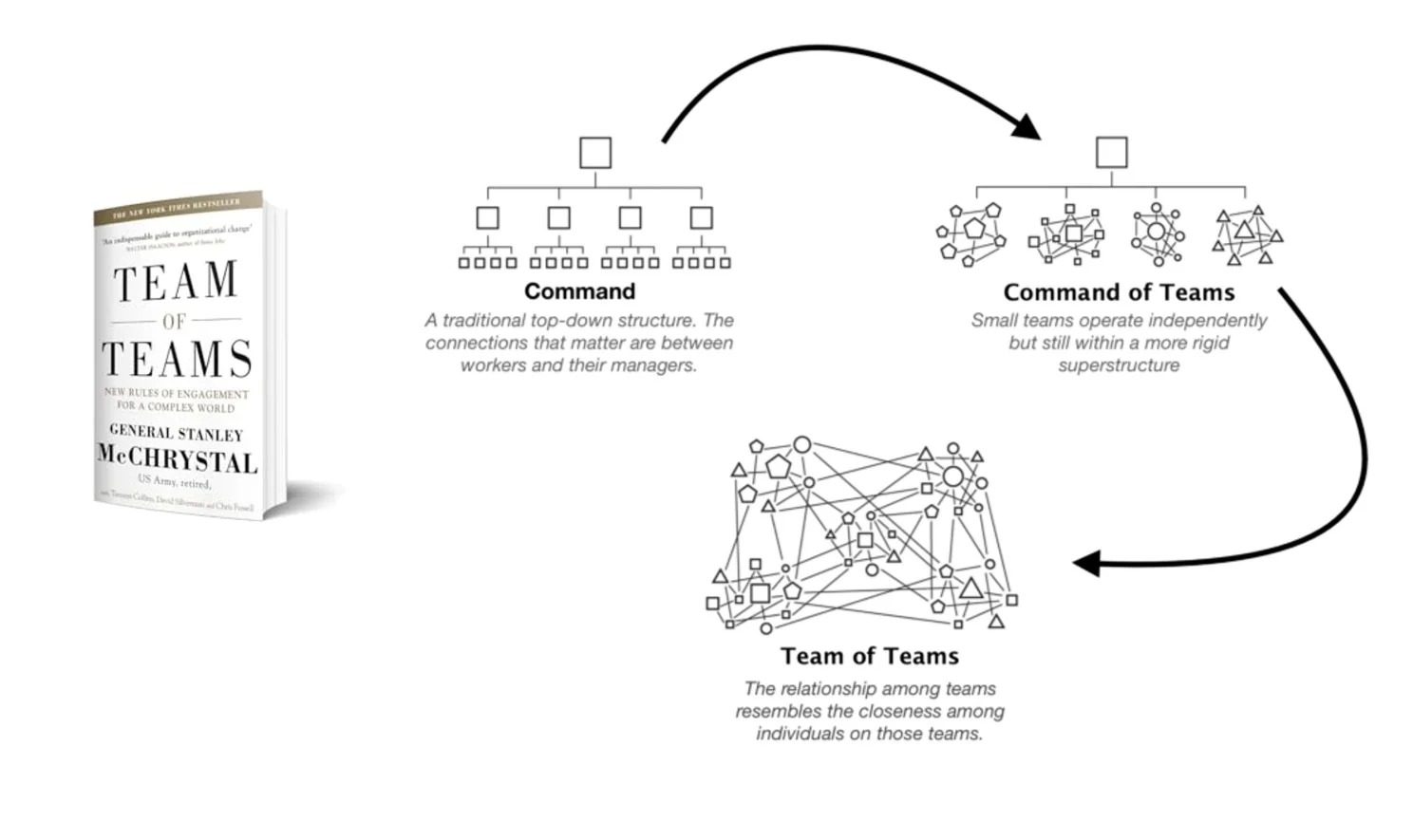
My favorite illustration is a giant ship with a single captain that is slow to turn and hard to maneuver. Compare that to a highly coordinated fleet of speedboats, each with their own captains.
Team of Teams prescribes the four conditions for their real-time synchrony and hi-speed coordination:
- Common Purpose
- Shared Consciousness
- High Trust
- Empowered Execution
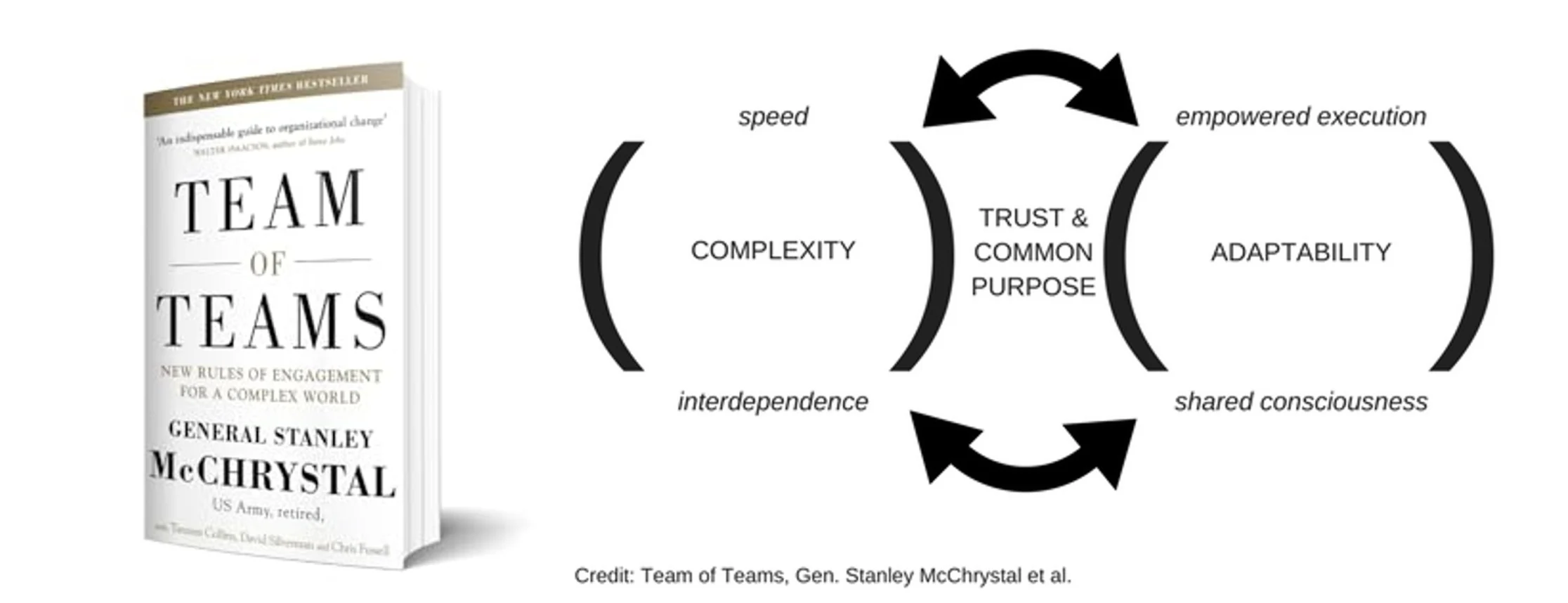
Ultra-modern companies like Amazon, Netflix, Haier and Nvidia embody certain characteristics and their own variations of the Team of Teams model in their organization model.
Don't compromise speed vs strength; re-organize and optimize for both.
Originally published in Charlie Ang's Intelligent Reinvention Memo newsletter on LinkedIn (Issue 26).

Charlie Ang is an Intelligent Reinvention Strategist, corporate futurist and AI keynote speaker based in Singapore and speaking worldwide. He helps organisations and leaders reinvent, rewire and retool for the Age of Intelligence, and has been featured by the BBC, Financial Times, National Geographic and CNA.